Wine Cooler Temperature Problems: Protecting Your Collection
Wine requires precise temperature control. Learn how to identify and address temperature issues in your Sub-Zero or other wine cooler before your collection is damaged.
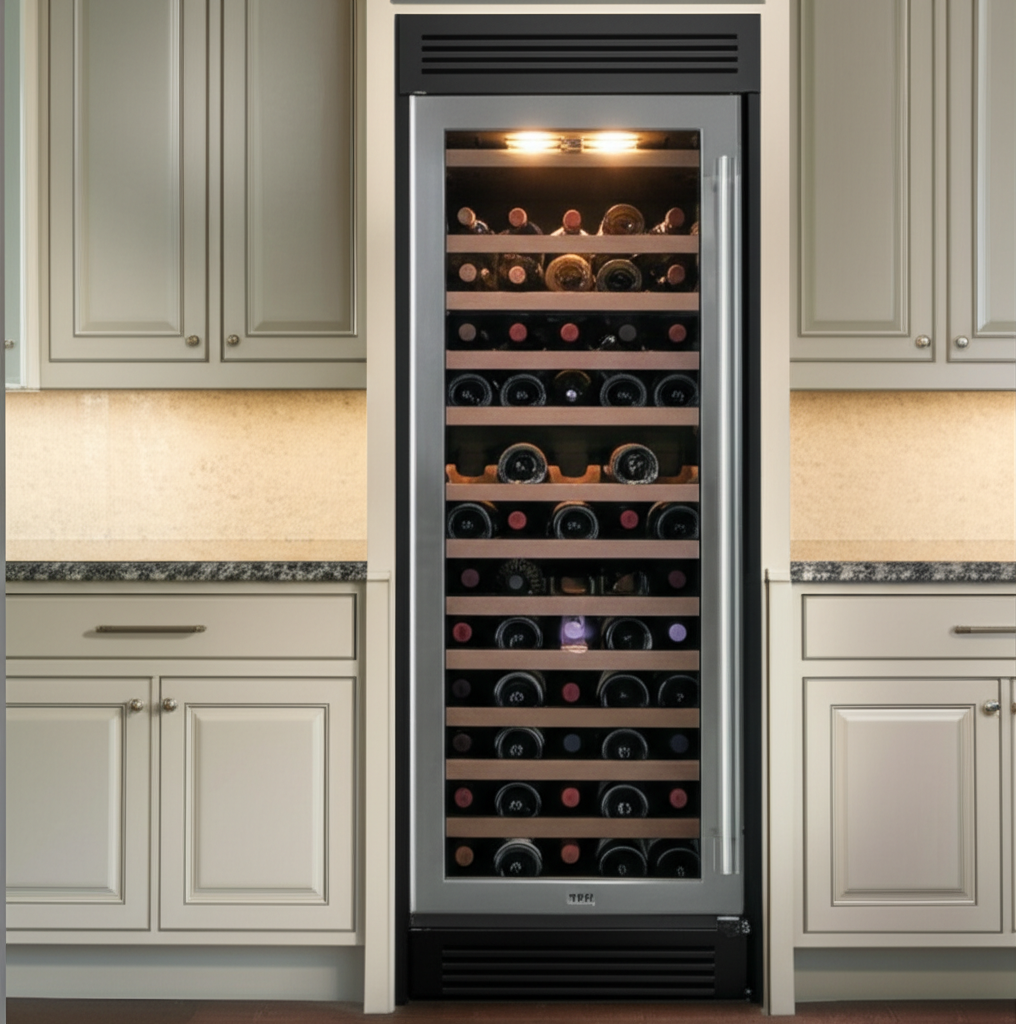
Wine storage demands precision that standard refrigeration doesn't. A few degrees too warm accelerates aging; too cold risks chill haze or freezing. Temperature fluctuations stress corks and promote oxidation. When your wine cooler develops temperature problems, your collection is at risk.
Understanding Wine Storage Temperatures
### Ideal Ranges
Red wine storage: 55°F (long-term aging sweet spot) **White wine storage**: 45-50°F **Serving temperatures**: Vary by wine type
### Why Precision Matters
Too warm (above 70°F): Accelerates aging, can "cook" wine, causes expansion that pushes corks **Too cold (below 40°F)**: May form tartrate crystals, can freeze (ruins wine) **Fluctuations**: Expand/contract corks, allowing air ingress
Diagnosing Temperature Problems
### Temperature Won't Reach Set Point
Check first: Condenser coils. Wine coolers have coils that need periodic cleaning like refrigerators.
Check ventilation: Built-in units need proper airflow. Verify installation clearances meet specifications.
Check thermostat setting: Someone may have adjusted it.
Check door seal: Feel for cold air escaping around the door perimeter.
### Temperature Fluctuates
Normal variation: Wine coolers cycle on and off, creating ±2-3°F variation. This is acceptable.
Excessive fluctuation (±5°F or more) may indicate: - Failing thermostat - Compressor issues - Environmental interference (nearby heat source)
### Temperature Zones Don't Match
Dual-zone wine coolers maintain different temperatures for reds and whites. If zones don't match settings:
Check damper: An air damper controls airflow between zones. If stuck, one zone dominates.
Check sensors: Each zone has a temperature sensor. A failed sensor misreads temperature.
### Unit Runs Constantly
Wine coolers should cycle on and off, not run continuously.
Common causes: - Dirty condenser coils - Door seal failure - Thermostat calling for unreachable temperature - Low refrigerant
Troubleshooting Steps
### Step 1: Verify with Thermometer
Don't trust the display. Place a calibrated thermometer in the cooler, wait several hours, and compare to the display. If they match, the display is accurate. If different, you've identified a sensor or display issue.
### Step 2: Clean the Condenser Coils
Locate the coils (varies by model—some at back, some at bottom). Clean with vacuum and brush. Dirty coils cause most temperature problems we see.
### Step 3: Check the Evaporator Fan
This fan circulates cold air inside the cooler. Open the cooler and listen—you should hear the fan running. If silent, the fan may have failed.
### Step 4: Inspect the Door Seal
Look for: - Visible damage or gaps - Condensation forming along the door edge - Frost buildup inside near the door
### Step 5: Assess the Environment
Is the unit: - In direct sunlight? - Near a heat vent or oven? - In an unconditioned space (garage) with temperature extremes?
Wine coolers work best in climate-controlled spaces.
Sub-Zero Wine Storage Specific Issues
### Dual Compressor Advantage
Sub-Zero wine units with dual compressors allow precise independent zone control. If one zone has problems while the other is fine, you can narrow the issue to that zone's system.
### Control Panel Issues
Sub-Zero wine coolers have sophisticated controls that occasionally need reset:
- Turn off at the control panel
- Unplug for 30 seconds
- Plug back in
- Turn on and reset temperature preferences
- Allow 24 hours to stabilize
### Humidity Considerations
Sub-Zero wine coolers maintain humidity around 60% to protect corks. If you notice dried-out corks despite proper temperature, humidity system may need attention.
When Professional Service Is Needed
### DIY vs. Professional
You can handle: - Coil cleaning - Door seal inspection - Control panel reset - Environmental adjustments
Call a professional for: - Refrigerant issues - Compressor problems - Fan motor replacement - Control board diagnosis - Any sealed system work
### Urgency Levels
Emergency (immediate service): - Temperature above 65°F and climbing - Compressor not running at all - Valuable collection at risk
Urgent (schedule within days): - Temperature fluctuations affecting wine quality - One zone completely failing - Unit running constantly
Routine (schedule at convenience): - Minor temperature variance - Noisy operation - Seal showing wear
Protecting Wine During Service
If your wine cooler will be non-functional for service:
Short-term (hours): Keep door closed. Interior will stay cool.
Overnight: Move wine to a cool, dark location. A basement or interior closet is better than a warm kitchen.
Extended (days): Consider temporary relocation to another wine-appropriate environment or purchase ice and coolers for most valuable bottles.
Preventing Temperature Problems
### Maintenance Schedule
Monthly: - Check temperature with independent thermometer - Wipe door seal - Listen for unusual sounds
Quarterly: - Clean condenser coils - Inspect seal for wear - Verify both zones (if dual-zone)
Annually: - Professional inspection - Seal replacement if needed - System performance verification
### Environmental Control
- Keep room temperature below 80°F
- Avoid direct sunlight on the unit
- Ensure proper ventilation clearances
- Consider a dedicated wine storage area
### Power Protection
Surge protection is especially important for wine coolers. A power surge can damage the compressor or control board, potentially ruining a valuable collection.
The Value of Proper Wine Storage
A well-functioning wine cooler isn't just convenient—it protects an investment. A collection worth thousands (or tens of thousands) of dollars depends on consistent, proper storage conditions.
A $200 service call to address temperature problems is insignificant compared to the potential loss of improperly stored wine. Don't delay when you notice temperature issues—your collection depends on prompt attention.
Need Professional Appliance Repair?
Our experienced technicians are ready to help with your Sub-Zero, Wolf, and other luxury appliance needs.
Related Articles
Sub-Zero Refrigerator Not Cooling? Complete Diagnosis Guide
Your Sub-Zero stopped cooling? Before calling for service, learn what might be causing the problem and what you can check yourself.
Wolf Range Igniter Keeps Clicking But Won't Light: Causes and Solutions
That constant clicking sound from your Wolf range is frustrating. Learn why it happens and when you can fix it yourself versus calling a technician.